
Why Inconel 718 Cracks During Machining: Causes and Practical Solutions
Inconel 718 is one of the most widely used nickel-based superalloys in modern industry. Known for its excellent high-temperature strength, corrosion resistance, and fatigue performance, it is extensively applied in aerospace, oil & gas, power generation, and chemical processing industries.
However, despite its outstanding performance in service environments, Inconel 718 is notoriously difficult to machine. One of the most common challenges faced by manufacturers and end users is cracking during machining. This issue not only affects product quality but also increases production costs and lead times.
At DLX Alloy, with years of experience supplying high-performance nickel alloys to global clients, we have worked closely with manufacturers to identify the root causes of machining defects and provide practical solutions.
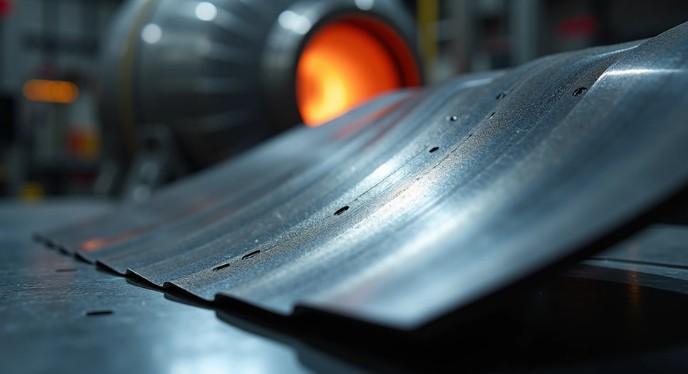
1. Understanding the Material Characteristics of Inconel 718
Before analyzing the cracking problem, it is essential to understand why Inconel 718 behaves differently from conventional materials.
Key Properties
High tensile strength at elevated temperatures
Excellent oxidation and corrosion resistance
Low thermal conductivity
High work hardening rate
Strong tendency to retain heat during machining
These characteristics make Inconel 718 ideal for extreme environments, but they also create significant challenges during machining processes such as turning, milling, and drilling.
2. Common Types of Cracking During Machining
Cracking in Inconel 718 machining can appear in several forms:
2.1 Surface Cracking
Fine cracks appear on the machined surface, often invisible to the naked eye but detectable through inspection.
2.2 Edge Cracking
Occurs at sharp corners or edges due to stress concentration.
2.3 Thermal Cracking
Caused by excessive heat buildup during cutting.
2.4 Microstructural Cracking
Internal cracks formed due to improper heat treatment or material defects.
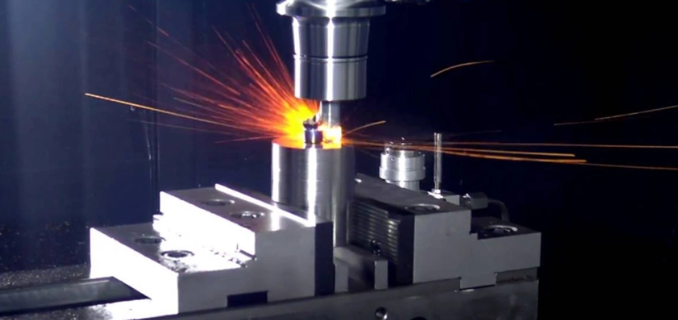
3. Root Causes of Cracking
3.1 Excessive Heat Generation
One of the biggest problems when machining Inconel 718 is heat.
Due to its low thermal conductivity, heat generated during cutting cannot dissipate quickly. Instead, it concentrates at the cutting zone, leading to:
Thermal stress
Tool wear
Material softening followed by rapid hardening
This cycle significantly increases the risk of cracking.
3.2 Work Hardening Effect
Inconel 718 has a strong tendency to work harden. When the cutting tool passes over the material:
The surface layer becomes harder
Subsequent cutting becomes more difficult
Stress accumulates in localized areas
This uneven hardness distribution can initiate cracks, especially during multi-pass machining.
3.3 Improper Cutting Parameters
Incorrect machining parameters are a major contributor:
Cutting speed too high → excessive heat
Feed rate too low → rubbing instead of cutting
Depth of cut too shallow → work hardening increases
Many operators mistakenly apply parameters used for stainless steel, which leads to poor results.
3.4 Tool Material and Geometry
Tool selection plays a critical role.
Common issues include:
Using tools not designed for superalloys
Incorrect tool angle causing stress concentration
Poor chip evacuation
Carbide tools with proper coatings are typically required, but even then, optimization is necessary.
3.5 Residual Stress in Material
Residual stress from previous processes such as forging or heat treatment can significantly affect machining performance.
If the material is not properly stress-relieved:
Internal stress is released during machining
This leads to distortion and cracking
3.6 Improper Heat Treatment
Inconel 718 requires precise heat treatment to achieve optimal properties.
Improper processes can result in:
Non-uniform grain structure
Precipitation imbalance
Reduced ductility
All of these increase the likelihood of cracking during machining.
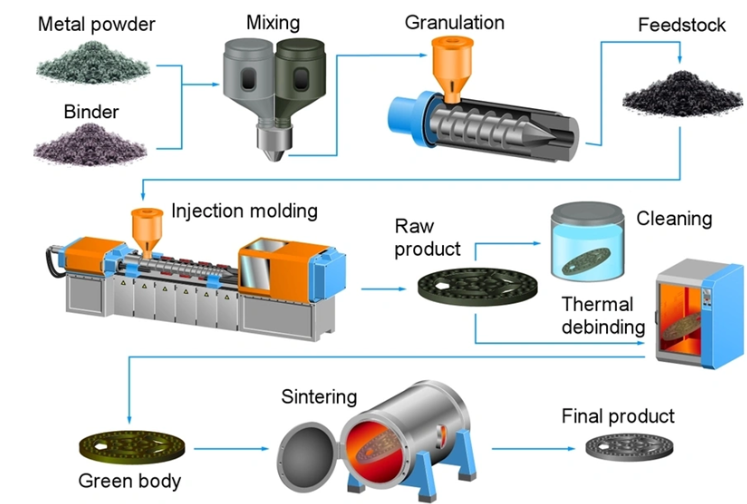
4. Solutions and Best Practices
Based on DLX Alloy’s industry experience, the following solutions can effectively reduce cracking risks.
4.1 Optimize Cutting Parameters
Recommended strategies:
Use lower cutting speeds
Increase feed rate appropriately
Maintain consistent depth of cut
This helps minimize heat buildup and reduces work hardening.
4.2 Use High-Performance Cutting Tools
Suggested tool characteristics:
Coated carbide tools (TiAlN, AlTiN)
Sharp cutting edges
Optimized geometry for nickel alloys
Regular tool inspection and replacement are essential to avoid excessive wear.
4.3 Improve Cooling and Lubrication
Cooling is critical when machining Inconel 718.
Best practices:
Use high-pressure coolant systems
Apply flood cooling instead of dry cutting
Ensure proper coolant direction
Effective cooling reduces thermal stress and prolongs tool life.
4.4 Control Work Hardening
To minimize work hardening:
Avoid repeated passes on the same surface
Ensure tools cut effectively instead of rubbing
Use proper feed rates
4.5 Perform Proper Heat Treatment
Recommended approach:
Solution annealing followed by aging treatment
Ensure uniform temperature control
Apply stress-relief treatment when necessary
This ensures a stable microstructure and reduces internal stress.
4.6 Select High-Quality Raw Materials
Material quality directly impacts machining performance.
At DLX Alloy, we ensure:
Strict chemical composition control
Uniform microstructure
Low impurity levels
This significantly reduces the risk of internal defects and cracking.
5. Applications of Inconel 718
Despite machining challenges, Inconel 718 remains indispensable in many industries:
Aerospace
Turbine discs
Jet engine components
Fasteners
Oil & Gas
Downhole tools
Valves and fittings
High-pressure equipment
Power Generation
Gas turbines
Nuclear components
Chemical Processing
Heat exchangers
Reactor vessels
Its ability to maintain strength under extreme conditions makes it a preferred material for critical applications.
6. Industry Trends
The demand for Inconel 718 continues to grow globally, driven by:
Expansion of aerospace manufacturing
Increasing energy demand
Development of high-efficiency turbines
At the same time, manufacturers are focusing on:
Advanced machining technologies (CNC optimization, AI-assisted cutting)
Additive manufacturing (3D printing of superalloys)
Improved tool materials
Suppliers like DLX Alloy are also investing in better material processing and quality control to support these trends.
7. Why Choose DLX Alloy
As a global supplier of nickel-based alloys, DLX Alloy provides:
Consistent high-quality Inconel 718 materials
Customized sizes and specifications
Strict quality inspection standards
Technical support for machining and applications
We not only supply materials but also help clients solve real production challenges.
Conclusion
Cracking during machining of Inconel 718 is a complex issue caused by a combination of material properties, machining parameters, and process control.
By understanding the root causes and applying proper solutions—such as optimizing cutting conditions, selecting the right tools, improving cooling, and ensuring material quality—manufacturers can significantly reduce defects and improve productivity.
With the right approach and reliable material supply from experienced partners like DLX Alloy, the challenges of machining Inconel 718 can be effectively managed, allowing industries to fully benefit from its exceptional performance.